Castlevania is Back! Belmont's Curse is the Most Daring and Divisive 2D Return of the Franchise
"The internet is blowing things out of proportion: Evil Empire picked up the pace, turned the whip into a grappling hook, and delivered one of the most fluid action games of the year."
Since I do not receive free review keys from publishers, all funds raised through this link go directly toward creating content for the site — from purchasing upcoming games to covering hosting and infrastructure costs.
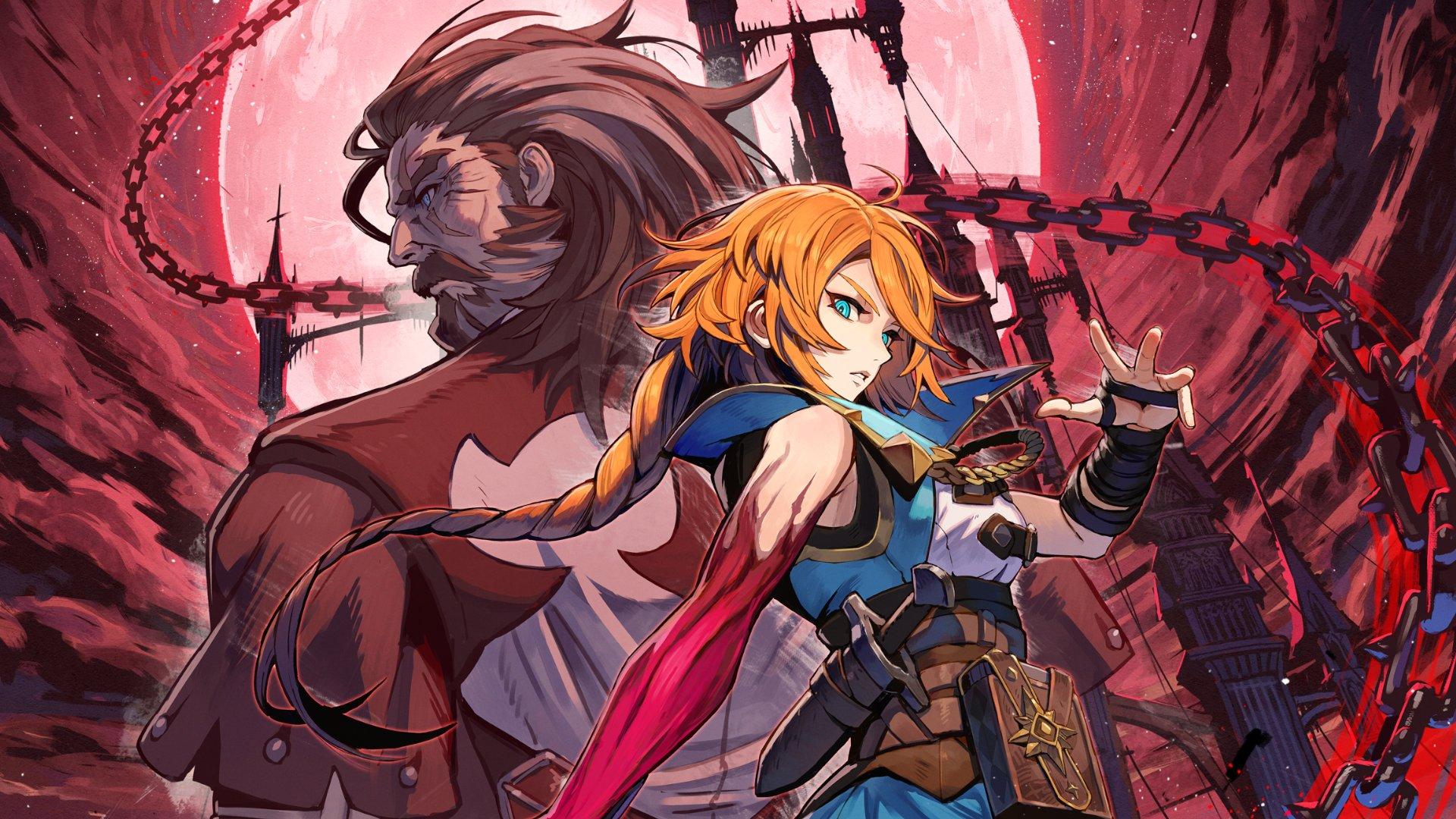
TL;DR // Veredito Rápido
- ▸ Unreal, fluid mobility: the whip hook and momentum mechanics turn exploration into pure adrenaline.
- ▸ Smart puzzles: challenge rooms that actually demand spatial reasoning and mechanical mastery.
- ▸ Gorgeous character and art direction that rivals the aesthetic polish of Hades.
- ▸ Build versatility: seven weapon archetypes and diverse Arcanas that encourage distinct playstyles.
- ▸ Disconnecting soundtrack: generic synths and modern beats that clash with the gothic atmosphere.
- ▸ Disregard for official lore: aggressive retcons and timeline inconsistencies that will annoy franchise purists.
- ▸ Lack of technical polish: framerate dips, sudden freezes, and wall-clipping glitches that desperately need patches.
- ▸ Pacing shock: the hyperactive Dead Cells speed will push away veterans who miss the classical cadence.
Before anything else: the internet is blowing its criticism wildly out of proportion. The game is good—genuinely good! The narrative hooks you as you upgrade your Arcanas, and the movement mechanics are among the most satisfying of the year. If you can, go into it with an open mind.
Belmont’s Curse marks not only the long-awaited return of Konami’s legendary vampire-hunting franchise, but also the comeback of traditional 2D entries after nearly a two-decade hiatus—with the previous milestone being the brilliant Order of Ecclesia on the Nintendo DS. However, this launch has split the community down the middle due to some remarkably drastic creative departures.
For those who missed the behind-the-scenes announcements, development was handed over to Evil Empire—the French studio responsible for years of post-launch support on Dead Cells and the widely acclaimed Return to Castlevania DLC. It was precisely that expansion that proved to Konami that the spark was still alive, prompting them to hand over the keys to their most sacred kingdom.
The catch? Evil Empire injected a heavy dose of their own DNA into the project. When the initial trailers dropped, the veteran community’s reaction was immediate shock: the frantic combat cadence, the airborne mobility, and the visual styling screamed Dead Cells. And I have a confession to make: I, Lucas, do not like Dead Cells at all. Watching my favorite gothic saga borrow so heavily from that blueprint raised massive red flags for me. If it weren’t for the public demo, I likely would have skipped the game entirely. I am so glad I didn’t.
Synopsis
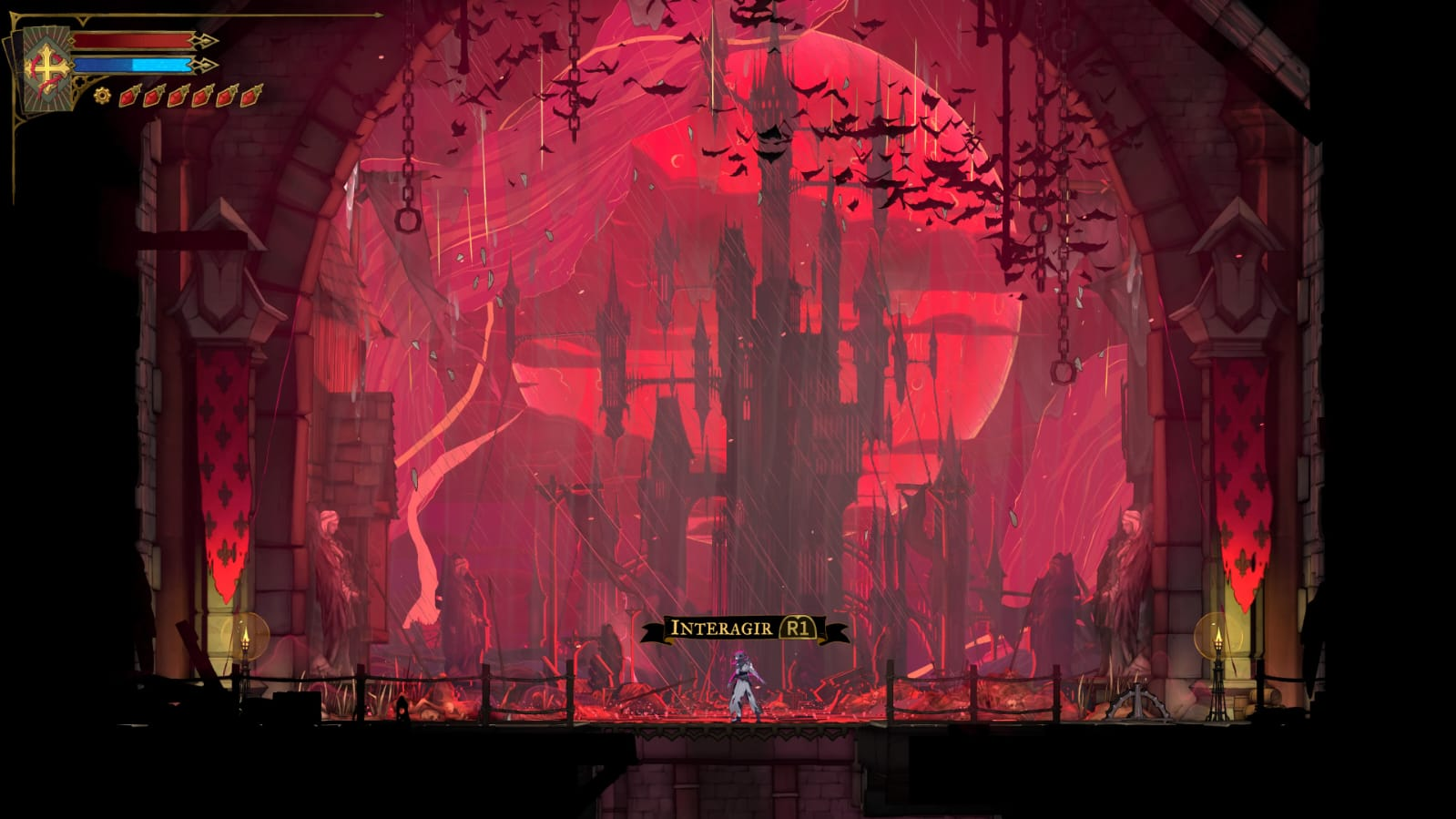
In Belmont’s Curse, players take the mantle of Rose Belmont, a scion of the legendary lineage of vampire killers who is pulled into the bowels of Dracula’s Castle when an ancient curse awakens, threatening to corrupt her family’s bloodline from within.
Armed initially with a short sword and the sacred ancestral whip, Rose must carve a path through the shifting, gothic corridors of the demon fortress. As she progresses, attunes to forgotten Arcanas, and unravels mysteries that distort both space and time, she confronts nocturnal abominations that test not only her physical reflexes, but the tragic burden of carrying the Belmont name.
Gameplay: The Whip Has Never Felt This Agile
Who hasn’t fantasized about using the Belmont whip as a high-flying acrobatic grappling tool? Well, if you never thought of it, rest assured Evil Empire did—and they made it the beating heart of their game design.
Don’t get me wrong: combat is deeply satisfying. At times it felt a bit too easy compared to the franchise’s traditionally punishing standards, but the depth of customization easily makes up for it. The game provides talismans and Arcanas to craft unique synergies alongside seven core weapon categories:
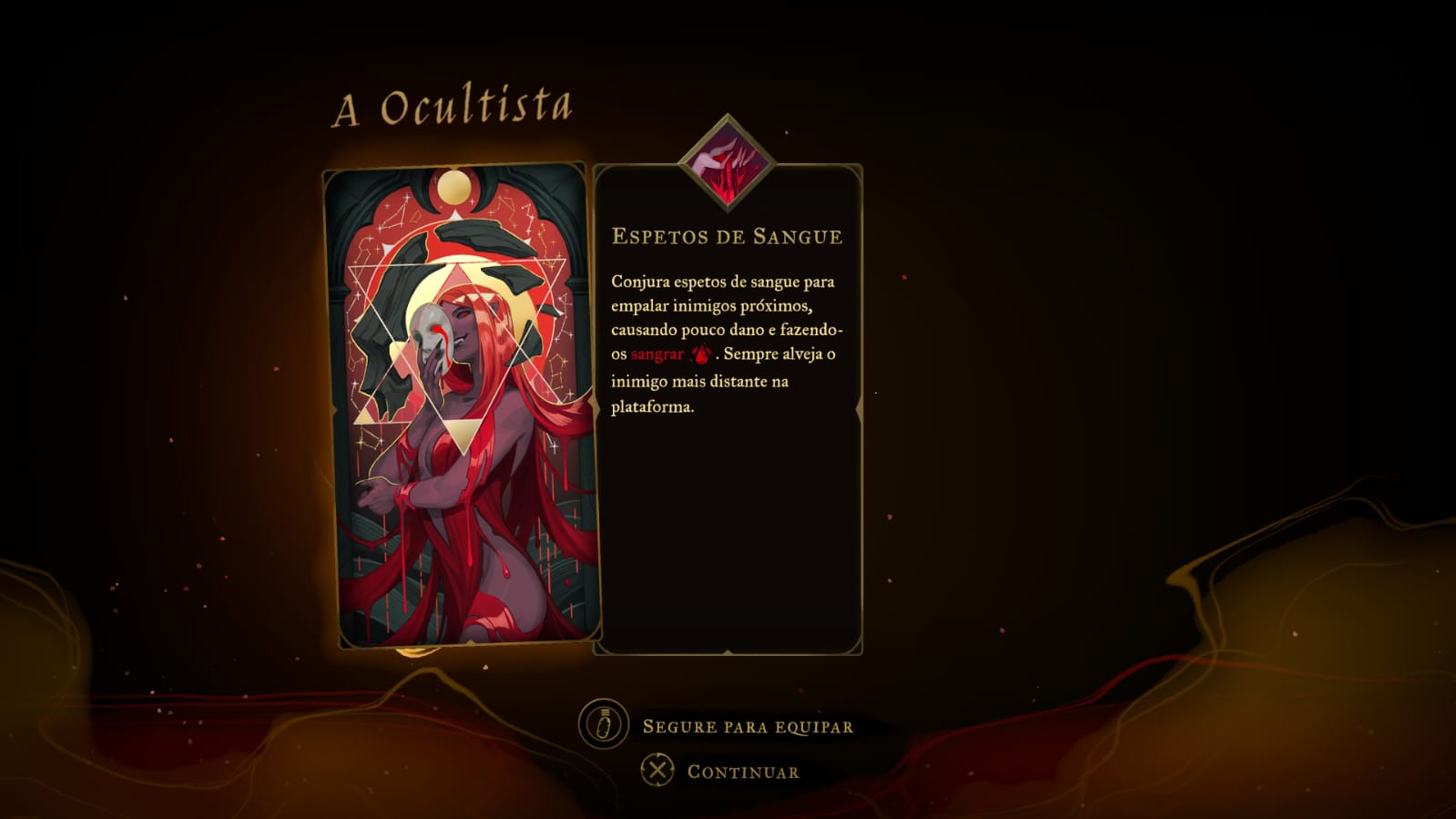
- One-handed Swords: Sharing a lineage with Rose’s starter blade. Agile, versatile, and dependable for players who value balance, though lacking raw burst damage.
- Combat Gauntlets: For those who prefer settling disputes with monsters with bare knuckles. The stubby range forces you to stay glued to enemies, raising the risk of taking hits, but the kinetic punch is unmatched.
- Greatswords: Trading virtually all attack speed for staggering poise and colossal damage. Soulsborne and Monster Hunter veterans will feel right at home timing their deliberate swings.
- Spears (My absolute favorites): Bats flying across the ceiling driving you crazy? Hurl the spear and delete them instantly. Flawless spacing control.
- Sword and Shield: Honestly, I never quite grasped the tactical appeal of this kit. Alucard’s legendary sword happens to fall into this category, but because it only unlocks near the very end of the campaign, it barely impacted my playthrough.
- Dual Blades: Pure velocity. Blistering flurries that hit targets both in front and behind you. A joy to execute.
- Whips: The soul of the franchise. After all, you can’t claim Belmont blood without cracking leather against the dark.
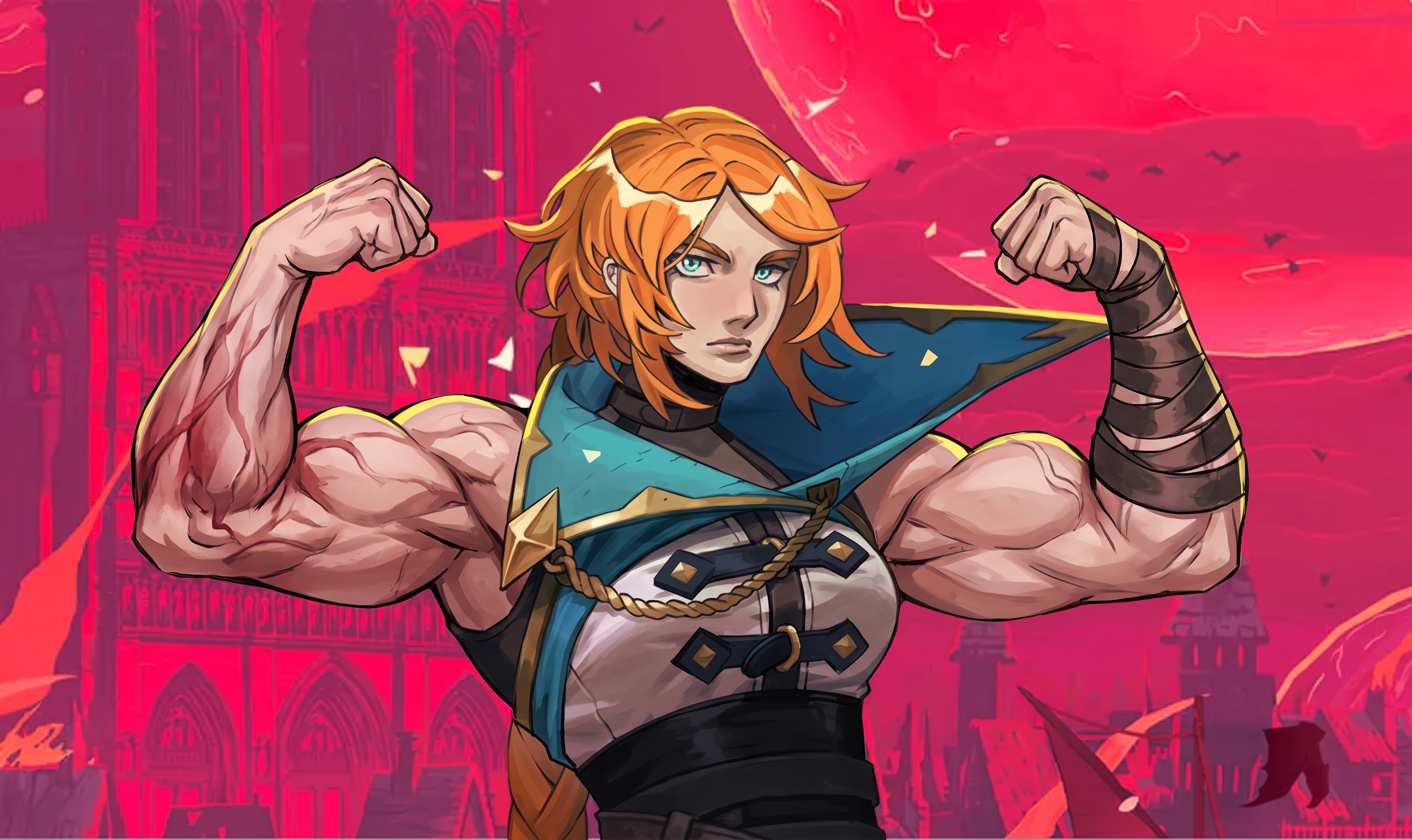 (Rose after dozens of hours swinging the whip and carrying the entire franchise on her back)
Despite the arsenal, the real star of the show is movement. The whip acts as a grappling hook that latches onto anchor points across the architecture; you ride the pendulum’s momentum, extend your arc, catch distant ledges, shatter fragile brickwork, chain double jumps, execute ground and air dashes, and dive into enchanted portraits that fling you across rooms at blistering speeds.
A fair warning, though: this speed is not handed to you on silver platter. During the first two hours (and in the demo itself), Rose feels like she is hauling bags of wet cement. But as upgrades roll in, it transforms into one of the most acrobatic and exhilarating 2D action platformers in recent memory.
Visual Direction: From Jarring to Mesmerizing
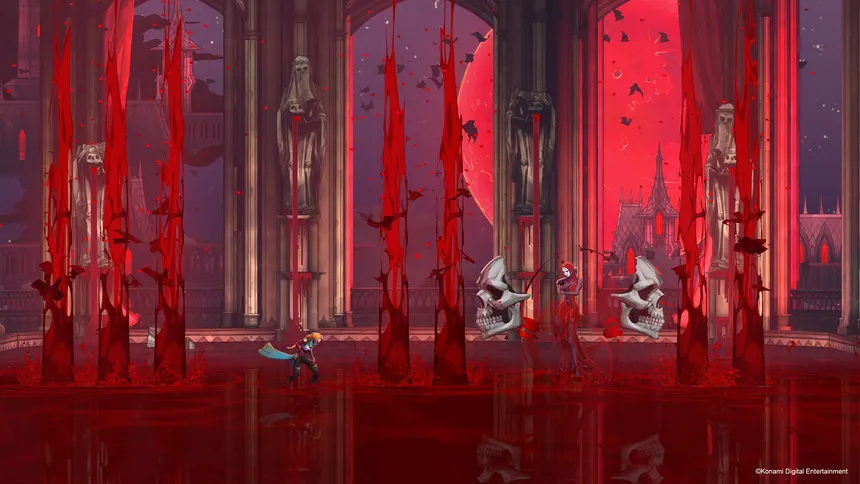
The art style was easily the biggest point of contention across gaming forums, mostly because it wears its Dead Cells pedigree on its sleeve. Yet once you move past that initial friction, the visuals reveal themselves as a masterclass in atmosphere.
The environments feature rich parallax layers, moody volumetric lighting, and gothic contrasts that match the kinetic gameplay effortlessly. The portraits scattered throughout the castle aren’t merely decorative nostalgia bait for longtime fans—they frequently hide visual riddles and interactive cues to unlock secret chambers.
Frankly? I haven’t seen a 2D game deliver an aesthetic this striking and distinctive since Hades and Hollow Knight.
Soundtrack: The Sour Note
While gameplay and art deserve high praise, the audio design is where the game stumbles hard. On more than one occasion, I found myself turning down the master volume because the background music was outright distracting me.
The composers attempted to “modernize” classic leitmotifs and original tracks with harsh synthesizers and percussion beats that frequently feel off-rhythm. The choir—which in a gothic piece should evoke sacred terror and nocturnal dread—often sounds like a cheap soundfont triggered on a MIDI keyboard by someone who just downloaded FL Studio and declared themselves a music producer (speaking from experience here, because I’ve done exactly that lol).
It sorely misses the baroque elegance of Michiru Yamane and the thunderous pipe organs and heavy guitars that defined the franchise’s acoustic soul.
Narrative: Great in Isolation, Chaos in the Canon
The story is a double-edged sword depending on how much franchise history you carry:
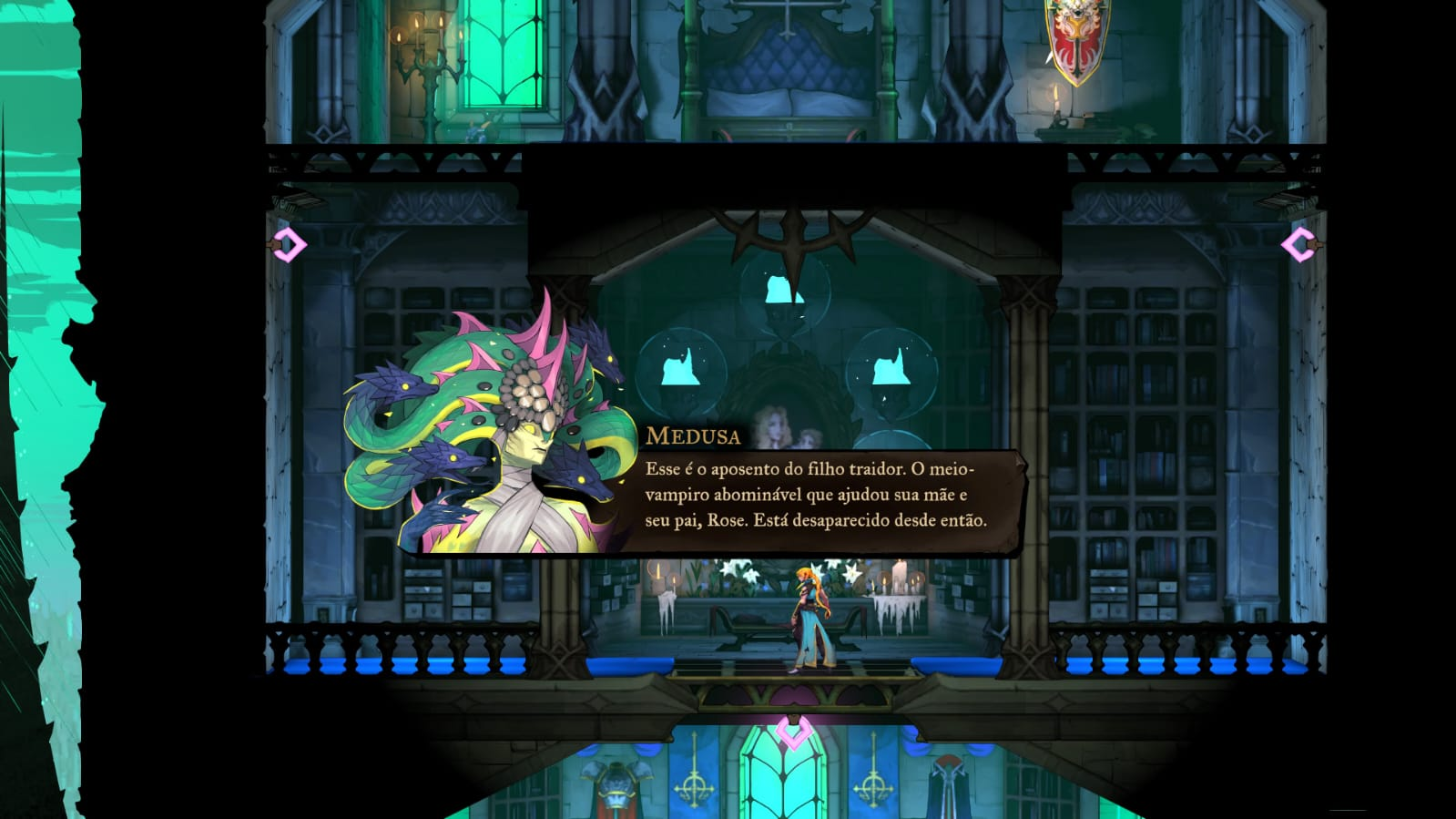
If you treat Belmont’s Curse as a standalone adventure—with a clear beginning, middle, and end focused on Rose’s personal trial—the plot holds up surprisingly well. The pacing is tight, and it builds genuine emotional weight as you discover new Arcanas and complete side quests for the castle’s spectral denizens.
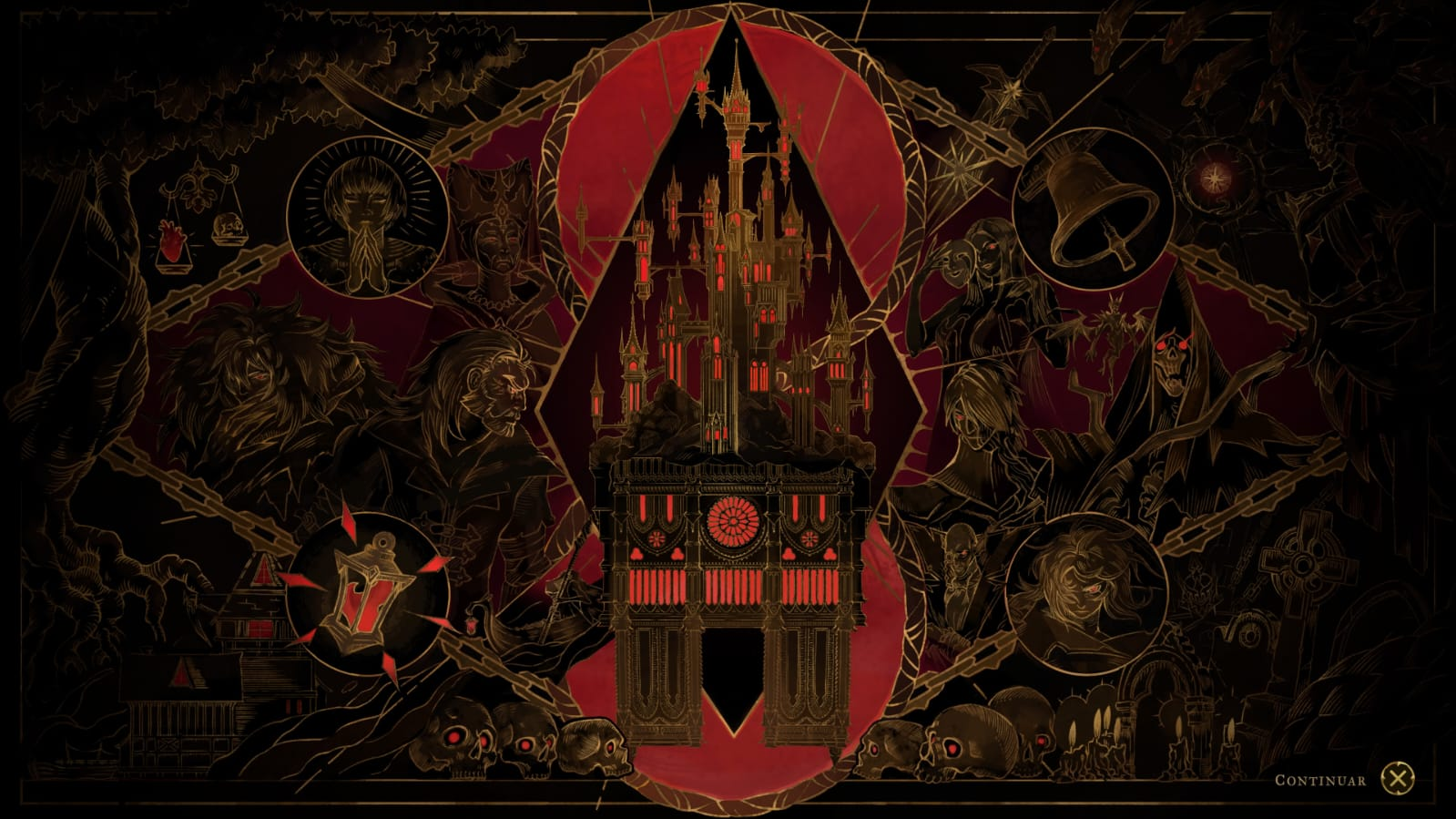
However, if you have the official Castlevania timeline memorized, the lore will give you a migraine. The writing introduces blunt retcons, bypasses established historical landmarks, and even displays murals of characters who, according to canon rules, wouldn’t be born for another two to three centuries. It’s the kind of artistic liberty that casual players won’t mind, but will leave hardcore lore scholars pulling their hair out. (I’ll stop here to avoid spoiling late-game surprises).
Verdict
Flaws and all, I can state without hesitation: Belmont’s Curse is a legitimate, high-tier Castlevania experience.
Watching the internet jump onto a cancellation bandwagon based on trailer impressions and half-truths has been deeply frustrating. I’ve seen bad-faith comparisons with titles like Hollow Knight: Silksong, but these games pursue fundamentally different design philosophies: while other metroidvanias lean into deliberate pacing, millimeter-precise punishment, and gloomy contemplation, Belmont’s Curse celebrates kinetic flow, airborne momentum, and the sheer joy of tearing through rooms while whipping creatures of the night.
It has real technical hiccups (the collision bugs and momentary freezes demand immediate post-launch patches), and the soundtrack is a missed opportunity. Yet the soul of a classic is undeniably present: the irresistible compulsion to uncover 100% of the map, the magnetic allure of the castle, and a gameplay loop so responsive you simply don’t want to put the controller down.
If you love 2D action platformers, don’t let social media echo chambers rob you of a great time. Mute the TV music, throw a classic Castlevania playlist onto your headphones, and dive into the castle. Rose Belmont deserves your time.
Score: 8.0 / 10 — A bold, imperfect return with technical and musical missteps, but carried by breathtaking art direction and kinetic mobility that is an absolute blast to play.
Castlevania: Belmont's Curse
Esta pontuação foi gerada através do posicionamento relativo de Castlevania: Belmont's Curse nas 5 Tierlists mestras (Gameplay, Narrativa, Arte, Áudio e Game Feel). Clique na nota acima para inspecionar os pesos e detalhes de cada critério.
Did you appreciate this critical essay? Leave your endorsement: